ARTICLE
AI Data Centers, Energy and Finance: Dispatch from the BNEF Summit New York 2026

By Team BloombergNEF
As one of the world’s elite financial hubs, New York is home to thousands seeking to better understand the hottest investment trends. So it was no surprise when AI data center developers, power providers, financiers and other experts spoke at BNEF’s annual Summit on April 21-22 in Manhattan, attendees were all ears.
Surging demand for AI compute power is directly impacting US and global electricity demand. As a result, related sectors – energy, grids, chips, batteries and buildings – are having a moment too and were front and center during the event. Seven broad themes emerged from the Summit:
1. “Money isn’t the constraint” said Karen Fang, Managing Director and Global Head of Infrastructure and Sustainable Finance at Bank of America. “Capital availability isn’t something we need to worry about…. We’re really seeing financial markets, capital markets innovate at the speed and scale I haven’t seen before.”
There are other challenges that need attention, of course, from equipment supply to execution capacity. But lack of capital – at least for now – isn’t the challenge.
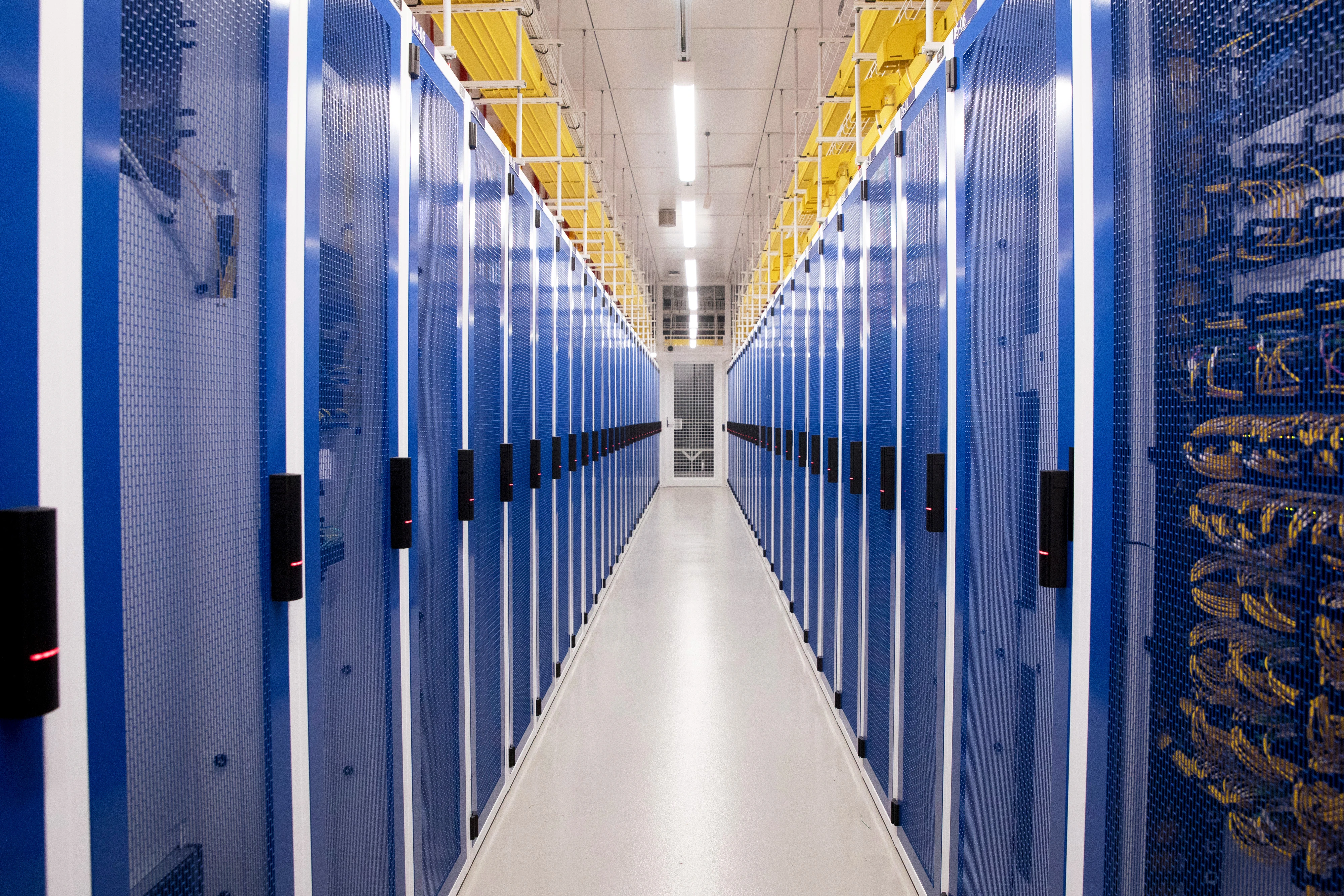
BNEF estimates $3.3 trillion will be invested in data centers through 2029.
Karen Fang, Managing Director and Global Head of Infrastructure and Sustainable Finance, Bank of America
2.“The change has been “dramatic” in the power sector”, said Rebecca Kujawa, former CEO of NextEra Energy now on the board at Equinix, a company with over 280 data centers across the world. “I don’t think we should underestimate the change from a flat demand environment to one that is significantly increasing….”
Power demand from data centers globally already totals over 84 gigawatts, according to BNEF. Plants requiring another 23 gigawatts of power are already under construction.
Rebecca Kujawa, Chief Executive Officer, Zerra Partners (Board of Directors, Equinix)
3.“There are very few markets that are like the US, from a growth perspective”, said Kujawa. That is partly because most of the leading frontier model development companies are here, and the training is concentrated here, she added.
“The US tends to be the biggest market, and the most advanced market” said Josh Pang, Managing Director and Head of Digital Infrastructure at Apollo Global. “There is plenty to invest in here now.”
US is the world’s largest data center market, hosting more than 51% of the global live data center capacity and 70% of the capacity under construction.
4. Brian Menell, Chairman and Chief Executive Officer of TechMet flagged “structural shortages across critical minerals, layered with geopolitical and national security risks from China’s dominant control of global supply chains.” He said the industry was not being well served by the majors who “have the capacity to deliver, but they’re not stepping in.” Copper remains critical, specifically for data centers: “Copper is easy or easier to scale, and the big incumbent producers can do more.”
5. “The world is gravitating toward natural gas”, because it is cheap, reliable and clean, said Toby Z. Rice, President and Chief Executive Officer, EQT Corp. “The market has spoken: they want as much natural gas power generation as needed, but it’s not enough to satisfy the demand.”
As much as 114 gigawatts of on-site gas power capacity has been announced globally, BNEF research shows. Almost 90% of these projects are in the US.
Toby Rice, President and Chief Executive Officer, EQT Corporation
6.“Countries that focus on engineering and economics will generally pursue decarbonization”, said Malcolm Turnbull, 29th Prime Minister of Australia. “It is manifestly in our interest to pursue decarbonization, clean energy, whether it’s from an environmental point of view, which is hugely important, or from an economic point of view, which is often easier to sell politically.”
7. It is the best time to be an investor in the energy transition, said Emmanuel Lagarrigue, Partner, Global Co-Head of KKR’s Climate Transition Fund and Head of Sustainability. “It is a much more rational market now,” he said, as early investor missteps rooted in overconfidence in supply chains, misplaced enthusiasm, and a lack of a mature climate tech ecosystem have tempered expectations.
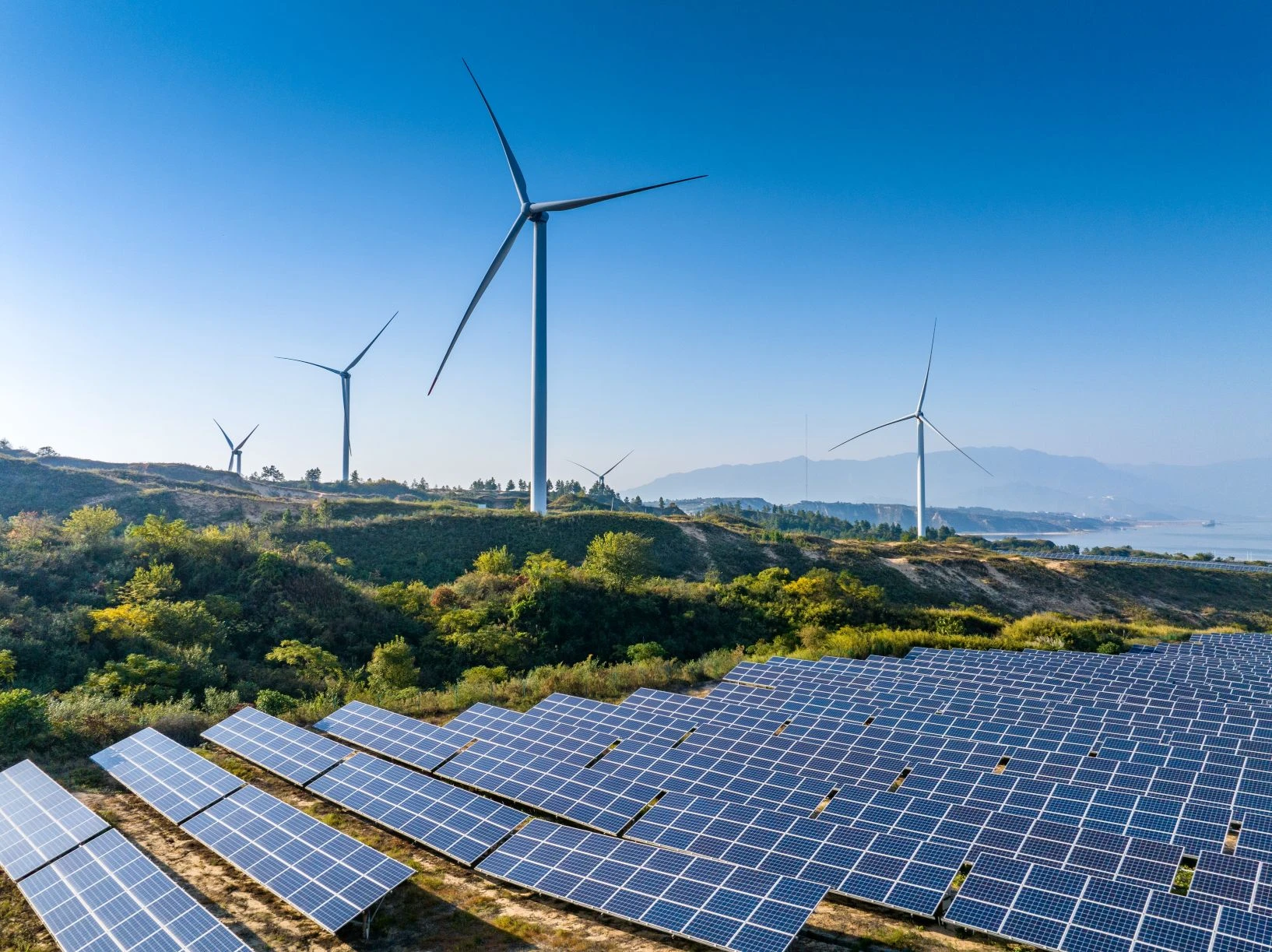
Global energy transition investment reached a record $2.3 trillion in 2025, according to BNEF, compared to $2.1 trillion in 2024. This includes investment in renewable energy, energy storage, nuclear power, electrified transport, hydrogen, clean shipping and power grids, among others.
To dive deeper into these themes and more, watch a selection of videos from the BNEF Summit New York here. The annual Summit brought together over 1,200 stakeholders, including data centers, energy, transport and technology companies as well as investors, financiers and policymakers. The next BNEF Summits will take place in Amsterdam on June 8, New Delhi on August 21, London on October 19-20 and Houston on November 11.