The definitive go-to source for gas and LNG market analysis
BNEF publishes its Global Gas and LNG Outlooks thrice a year – two seasonal and one medium-term outlook. These are focused on market fundamentals and include analysis and forecasts. The seasonal outlooks cover up to the next three seasons, while the medium-term outlook looks ahead to 2035.
The European Gas Market Seasonal Outlooks focus on the supply-demand balance in the BNEF Europe Perimeter – Northwest Europe, Italy, Spain and Austria – a grouping that comprises the most actively traded and interconnected gas markets in western Europe. In the Medium-term Outlook geographical coverage is extended to Europe (excluding Ukraine, Moldova, and Turkey).
The Global LNG Outlook provides a view on all the LNG supply and demand markets around the world, with a focus on Asia and Europe. As part of the Global LNG Outlook, BNEF also publishes separate breakout report on Asia Gas Market Outlook and North American LNG Market Outlook.
The US Gas Outlook covers all major supply and demand fundamentals impacting underground gas storage, a key driver behind prices in the region, such as US gas production and pipeline exports to Mexico.
Europe gas
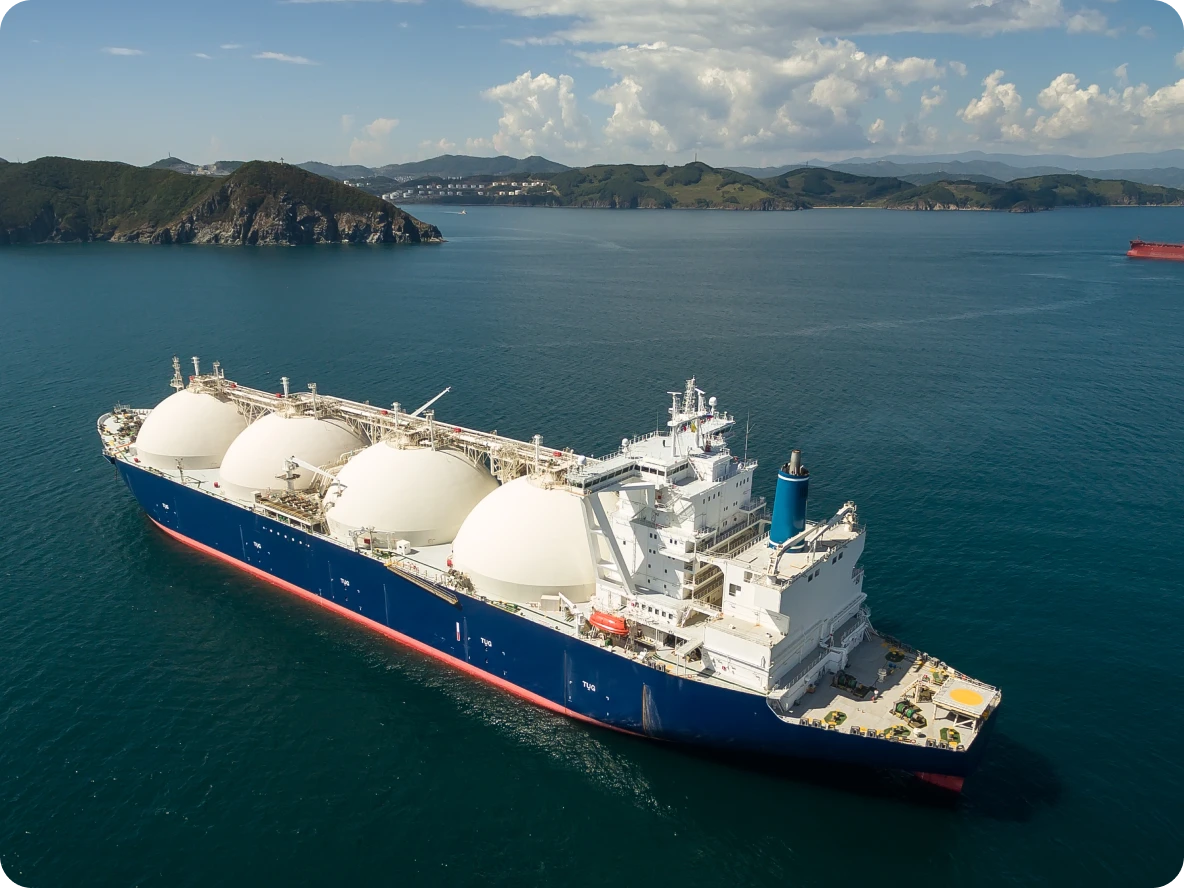
European gas demand is expected to gradually decline over the next decade as renewables expand their share of the power mix. At the same time, falling domestic production will increase Europe’s reliance on LNG imports, leaving the region more exposed to global gas market dynamics and underscoring the need for a diversified supply portfolio.
US gas
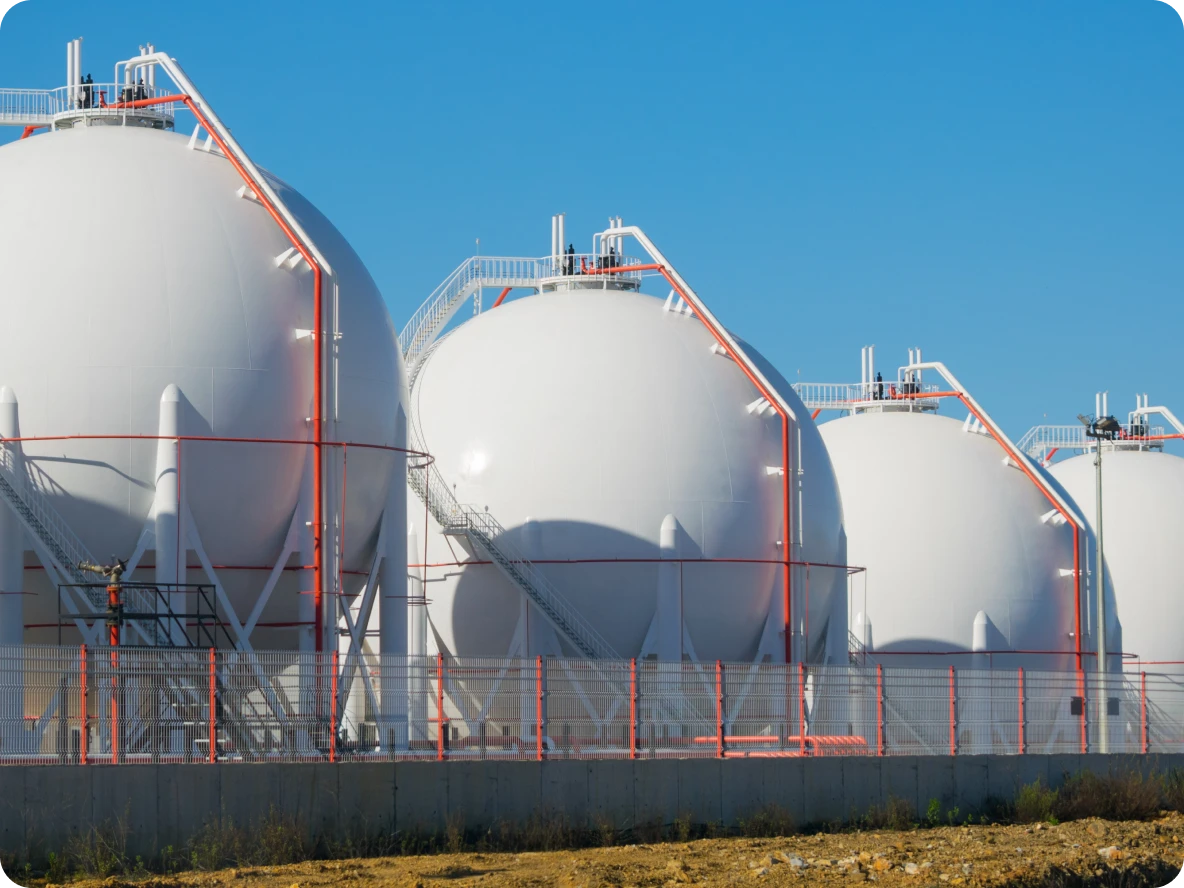
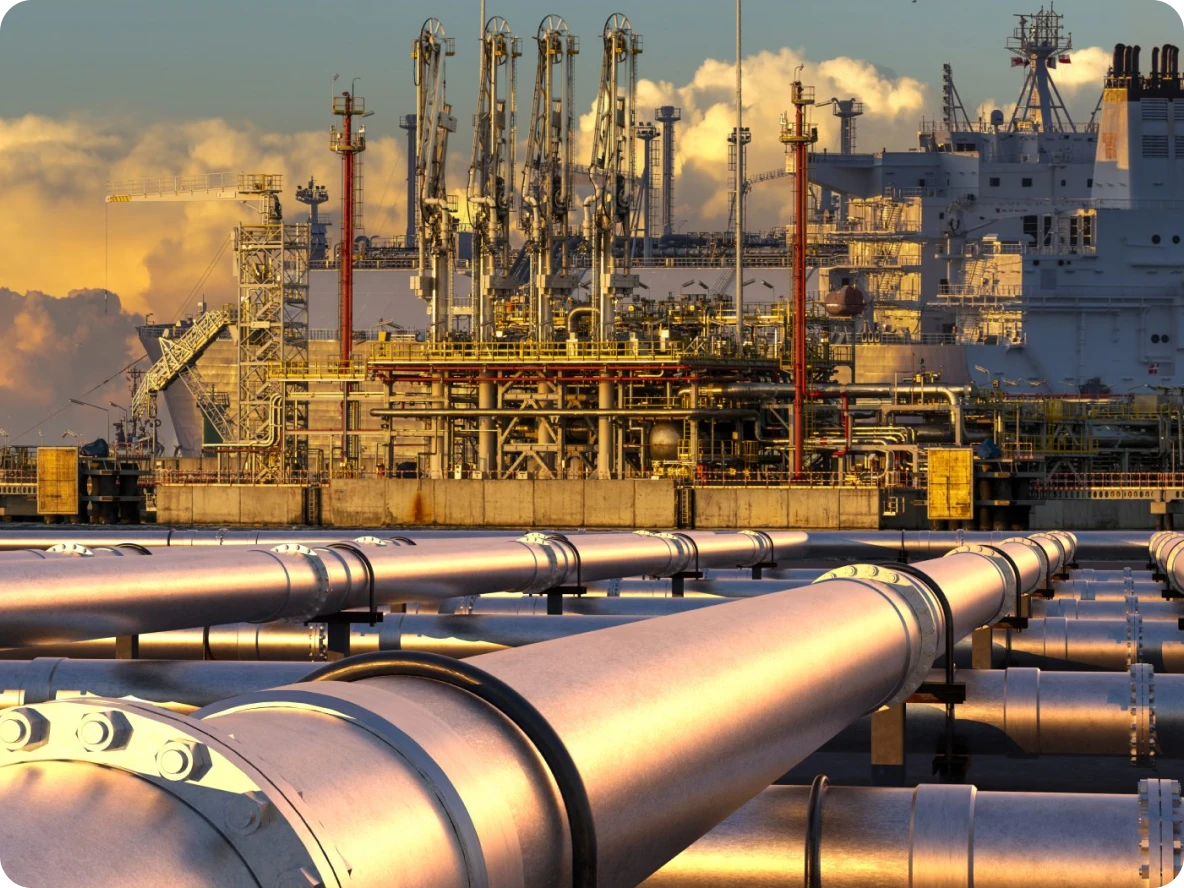
US feedgas demand for LNG exports is projected to double by 2035. Combined with rapidly growing power demand from data centers, this could shift the US gas market from a supply surplus to a deficit as early as 2028, requiring both US gas prices and the global LNG market to adjust.
Get the free summary report
Enter your details below to download a high-level summary of the Global LNG Market Outlook 2035 report.
BNEF clients can access the full report here or on the Bloomberg Terminal.