As attention turns toward COP31, the 31st edition of the annual United Nations climate conference, the pace of the global energy transition will increasingly depend on what happens in emerging markets and developing economies (EMDEs). These markets account for most of the world’s population, a growing share of electricity demand and an increasing proportion of new clean-energy investment. Yet progress remains highly uneven across markets and technologies. This Factbook examines where transition activity is accelerating in emerging markets, the different forces shaping deployment, and how investment, infrastructure, policy and industrial and transport development are influencing the pace and form of the transition.
- Renewable investment reached a new high last year, but it remains concentrated. Emerging markets attracted a record $176 billion of new-build renewable investment in 2025, equivalent to a decade-high 25% of the global total. Asia Pacific accounted for almost half of EMDE investment and nearly 90% of the net increase since 2023, although a relatively small group of markets continues to dominate flows.
- Distributed solar is opening new routes to clean-power growth. Small-scale solar additions accelerated sharply across emerging markets in 2025, led by India with 16.9 gigawatts, Pakistan with 13.2GW and Brazil with 12.7GW. Falling equipment costs, high grid tariffs and unreliable electricity supply can all drive deployment even where utility-scale pipelines remains limited.
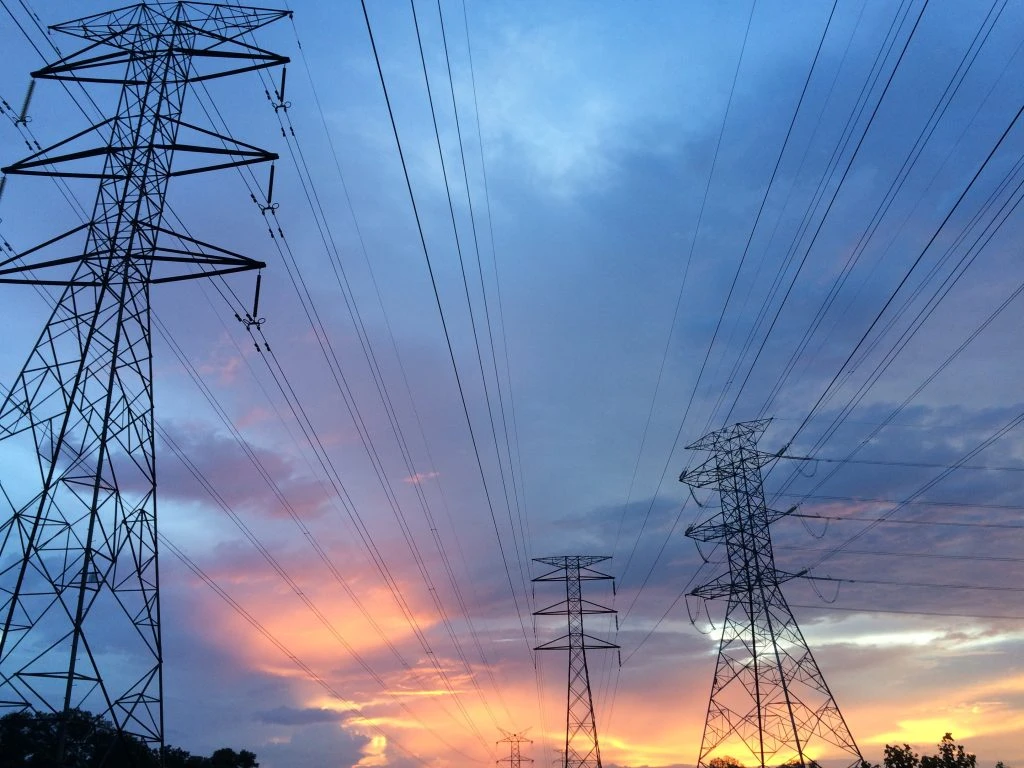
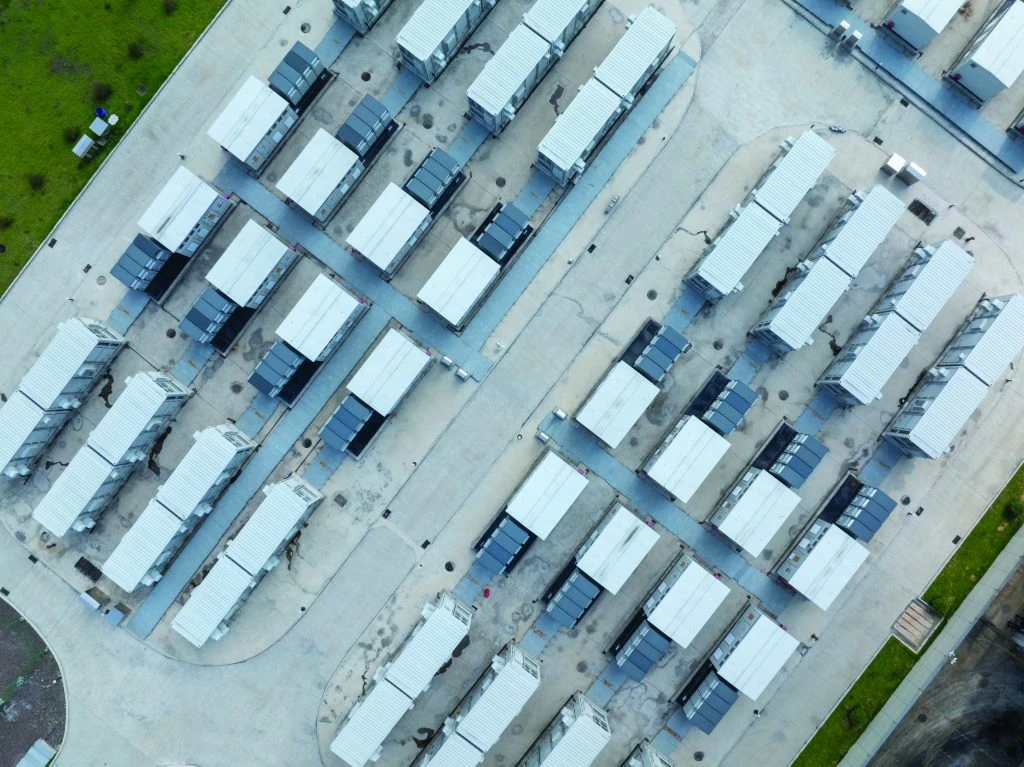
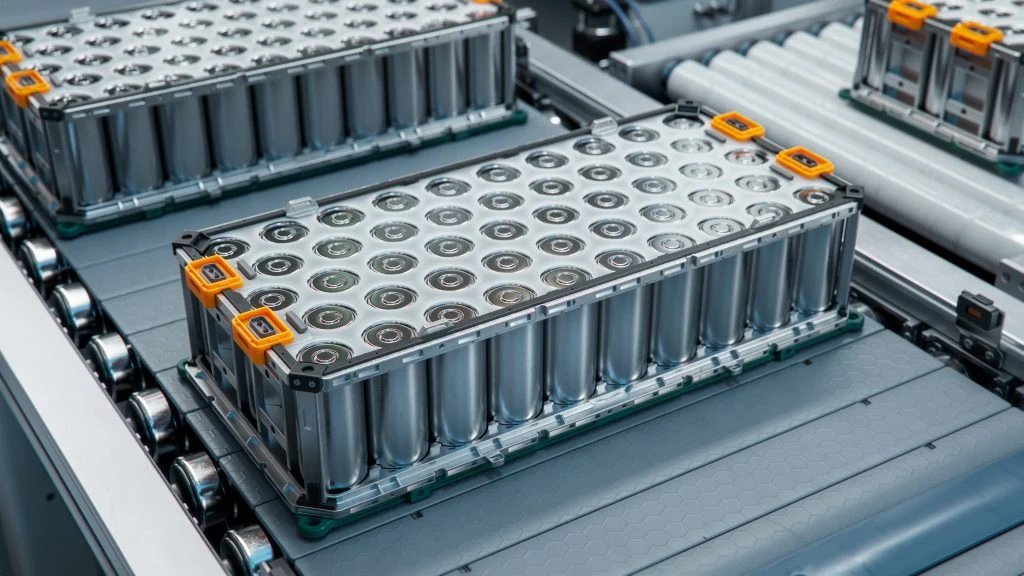
- As renewables penetration rises, grids and flexibility are becoming more important constraints. Across emerging markets, low-carbon technologies accounted for 45% of total installed capacity in 2025, up from around 32% in 2016. Yet intermittent generation comes with its own challenges. Battery deployment and grid investment are both beginning to scale in response. In several markets, however, low-carbon investment is already running ahead of grid spending, increasing the risk of connection delays, congestion and curtailment.
- Industrial decarbonization is advancing, but economics and trade exposure will determine the pace. EMDEs are building pipelines of lower-emissions steel and renewable PPAs, while the EU’s Carbon Border Adjustment Mechanism is increasing pressure on exporters to reduce and verify embedded emissions. Yet cleaner industrial projects remain small relative to planned coal-based capacity.
- Electric vehicle adoption is broadening beyond established markets. Passenger EV sales in emerging markets jumped 67% in 2025 and are expected to account for 18% of global EV sales by 2035. Tax policy, local manufacturing, model availability and fuel economics are all boosting adoption, and several emerging markets are already electrifying faster than the global average.
- EMDEs remain a small part of global clean-technology manufacturing, and localization strategies are producing mixed results. Manufacturing capacity is concentrated in a few markets and technologies. India and Southeast Asia lead emerging-market solar manufacturing, while trade barriers, local-content rules and proximity to demand increasingly influence where factories are built.
Approach: This report brings together contributions from more than 10 BNEF analysts across regional and sector teams, combining market-level expertise with BNEF’s proprietary datasets, forecasts, models and primary-source research.
The full version of the Factbook can be downloaded at this link.