PRESS RELEASE
Southeast Asia Could Unleash Funds for Infrastructure and Boost Energy Security by Lifting Barriers to Clean Power Procurement: BloombergNEF
- Demand for clean power is rising rapidly across the region, according to BloombergNEF’s report on Clean Power Procurement in Southeast Asia.
- The report outlines options for policy makers to expand access to affordable supplies of low-emissions electricity.
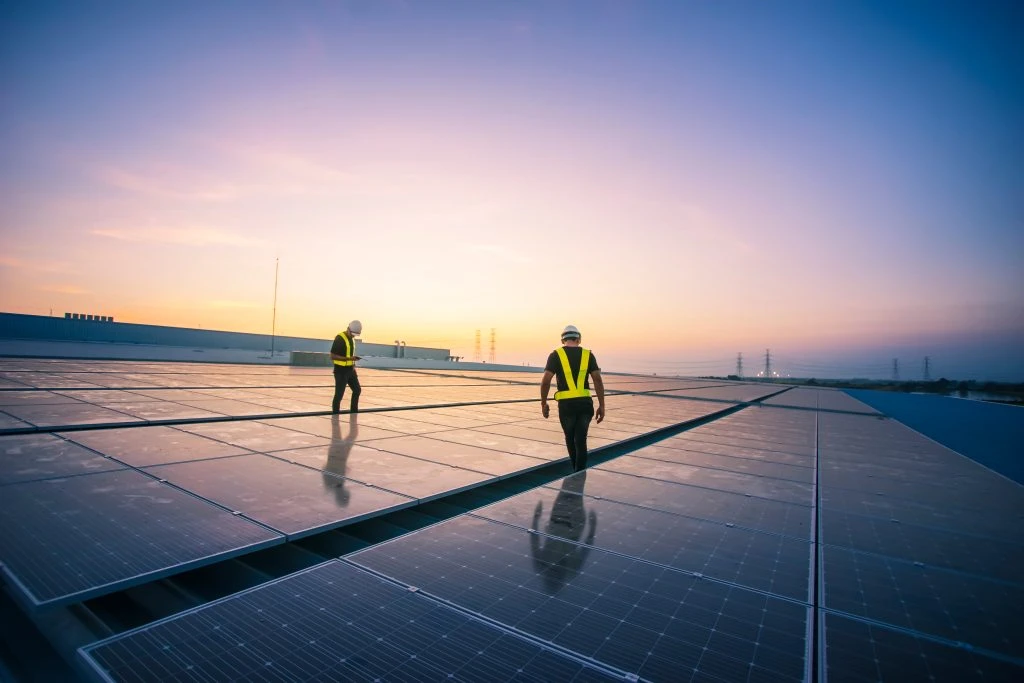
Singapore, Oct. 22, 2026 – Electricity generation remains the largest source of emissions in Southeast Asia. The region has ample renewable resource potential, and corporate demand for low-emissions electricity has spurred deployment wind and solar generation in recent years. However, regulatory barriers constrain those efforts, particularly in Indonesia and Thailand, according to BloombergNEF (BNEF)’s analysis Clean Power Procurement in Southeast Asia, commissioned by the Asia Clean Energy Coalition.
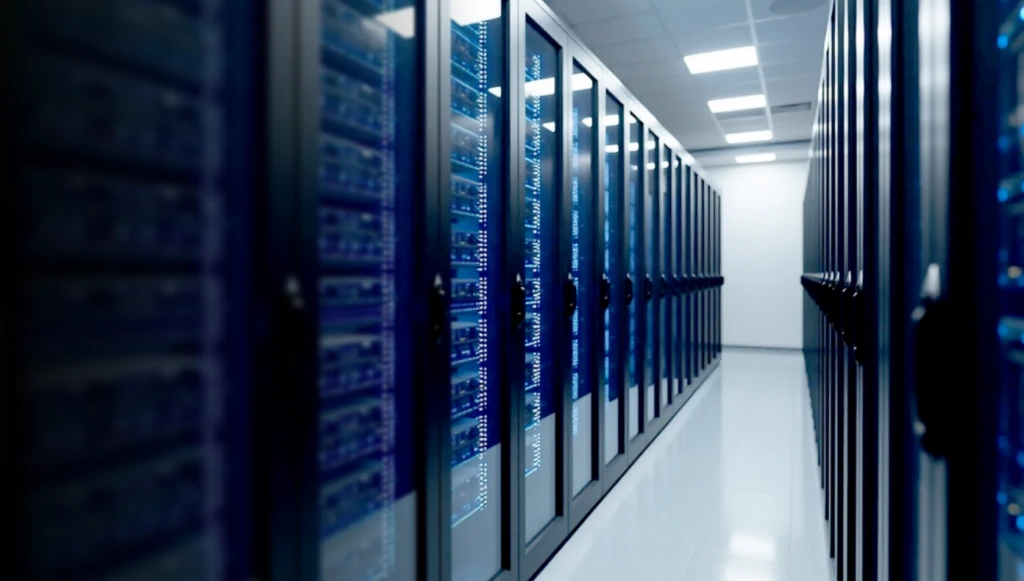
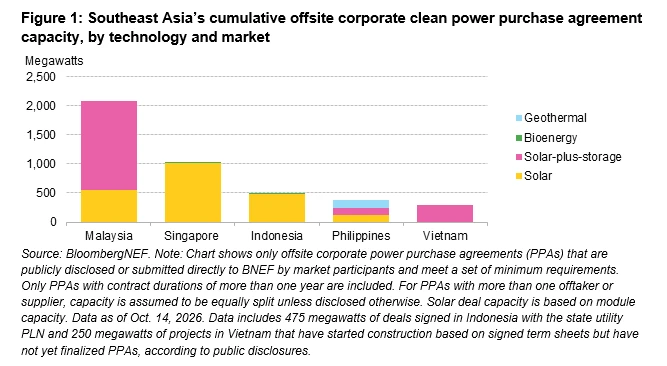
The volume of offsite corporate clean power purchase agreements reached 2.3 gigawatts in Southeast Asia in 2026, which was 5.6 times the volume recorded in 2025. Regulatory changes, particularly in Malaysia and Vietnam, have accelerated the growth of clean power procurement. Data center growth is also creating a new source of demand. Southeast Asia had 3.2 gigawatts of live data center IT capacity as of June 2026, with 10 times that amount in the project pipeline.
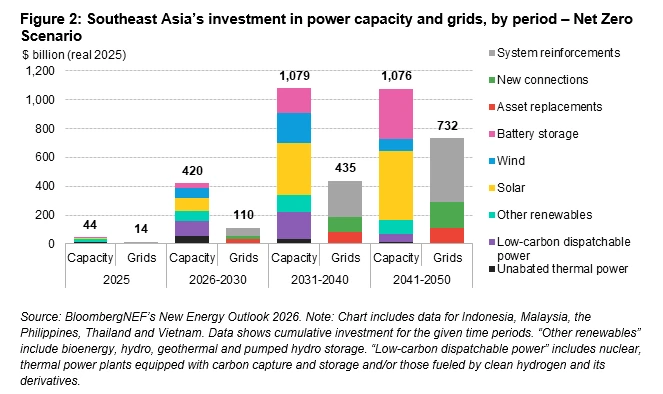
Southeast Asia would need to invest $3.4 trillion in renewables, battery storage and power grids from 2026 to 2050 to fully decarbonize its power sector, according to separate analysis in BNEF’s Net Zero Scenario (NZS), which is aligned with the Paris Agreement on climate change. Allowing companies to sign clean power purchase agreements could unlock private capital to fund that transition. The shift could also reduce countries’ reliance on imported fossil fuels and improve energy security.
Hanh Phan, Southeast Asia Associate at BloombergNEF and co-author of the report, said: “Reducing reliance on imported fossil fuels could not only improve domestic energy security but also reduce exposure to global fuel price volatility. As the Iran war and resulting supply disruptions have demonstrated, power sectors across Southeast Asia are vulnerable to gas and coal price shocks. A faster shift to renewable energy could reduce the impact of those price swings on power tariffs. Corporate clean power procurement can fund this transition.”
Minh Anh Nguyen, Chief of Staff, Asia Clean Energy Coalition (ACEC), said: “Corporate demand for clean energy across Southeast Asia continues to grow, particularly as companies work towards their 2030 climate and renewable energy targets. As a critical hub for global manufacturing and supply chains, Southeast Asia has an important role to play in helping companies achieve these commitments while supporting the region’s economic growth.
Encouragingly, governments across the region are responding by introducing new mechanisms to enable corporate clean power procurement. The next priority is to translate these mechanisms into practical, affordable and bankable procurement opportunities that can mobilize investment and meet the growing demand from businesses.”
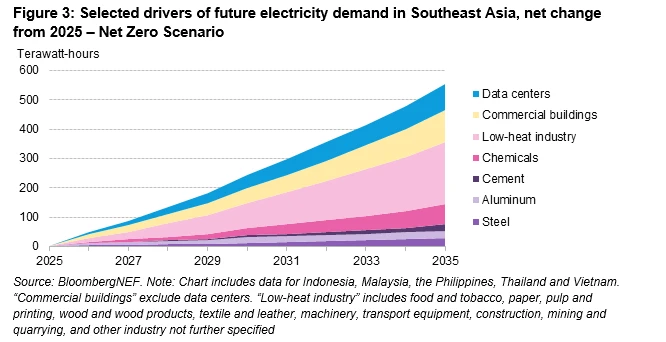
BNEF’s latest outlook anticipates power demand from data centers growing to 100 terawatt-hours by 2035 from just 13TWh in 2025 collectively across Malaysia, Indonesia, Thailand, the Philippines and Vietnam. Other industries producing steel, aluminum, cement and chemicals also will have growing electricity needs.
Felix Kosasih, Southeast Asia Associate at BloombergNEF and co-author of the report, said: “More of Southeast Asia’s electricity could come from low-carbon sources if authorities made it easier for companies to buy their power directly from generators. That could break the link between economic expansion and increasing dependence on imported fossil fuels and the emissions they produce. It would also help Southeast Asian countries to industrialize and develop their economies while increasing energy security and producing less greenhouse gases. Furthermore, wider access to affordable clean power could make it easier for industries to electrify their processes.”
The report identifies five key areas for regulators across the region to consider:
- Open electricity markets and networks for different clean power procurement options.
- Strengthening transparency and credibility of electricity sources and environmental attributes.
- Incorporating “additionality” in the design of utility green tariffs and renewable energy certificate issuance.
- Modernizing grid regulation to reward efficient performance toward increasing share of renewable supply.
- Developing interoperable cross-border electricity trade accounting and certification frameworks.
The full report is available here. All findings reflect BloombergNEF’s independent analysis and views.
Media Contact
Oktavia Catsaros
BloombergNEF
ocatsaros@bloomberg.net
About BloombergNEF
Founded in 2004, BloombergNEF (BNEF) is a strategic research provider covering global commodity markets and the transformative forces reshaping energy systems and infrastructure. Our experts assess the technological, economic and policy drivers that underpin the transition to a cleaner, more resilient energy economy. We help senior leaders in corporate strategy, finance, policy and commodity trading navigate change and generate opportunities.
About Bloomberg
Bloomberg is a global leader in business and financial information, delivering trusted data, news, and insights that bring transparency, efficiency, and fairness to markets. The company helps connect influential communities across the global financial ecosystem via reliable technology solutions that enable our customers to make more informed decisions and foster better collaboration. For more information, visit Bloomberg.com/company or request a demo.
Related Content