ARTICLE
AI, Grids, and Electric Vehicles: Dispatch from the BNEF Summit San Francisco 2026
The US energy landscape is changing quickly. Demand for artificial intelligence is driving up power demand while electric vehicle (EV) adoption slows down and enters a more complex phase. Together, these trends are reshaping how utilities, policymakers, financiers and automakers respond to emerging challenges in the energy sector.
Four key takeaways emerged from the BNEF Summit San Francisco held on January 26-27, 2026.
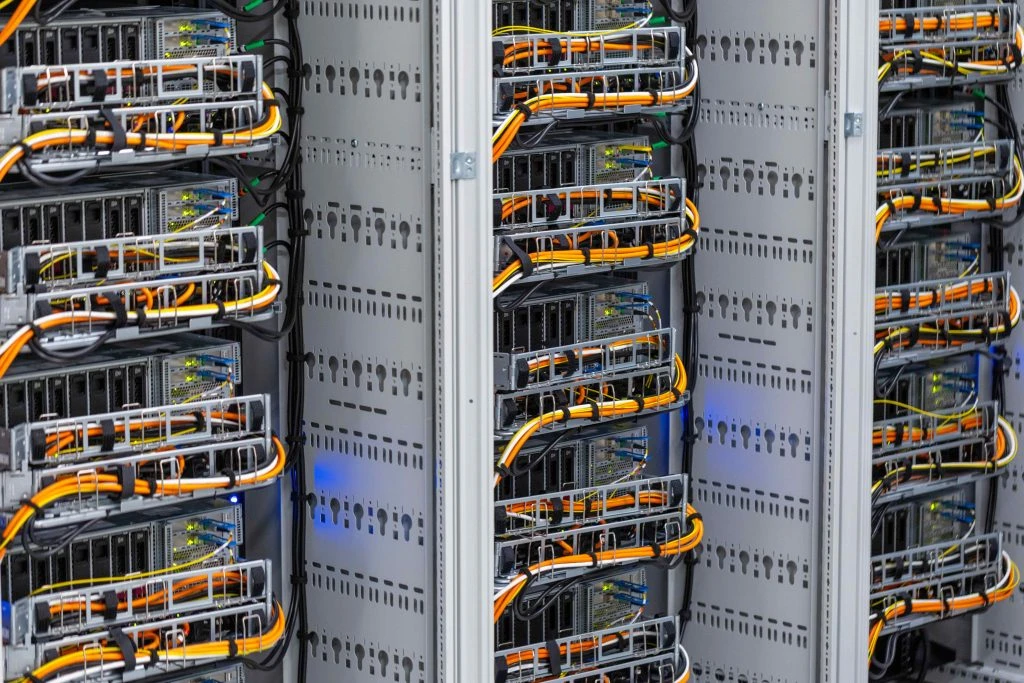
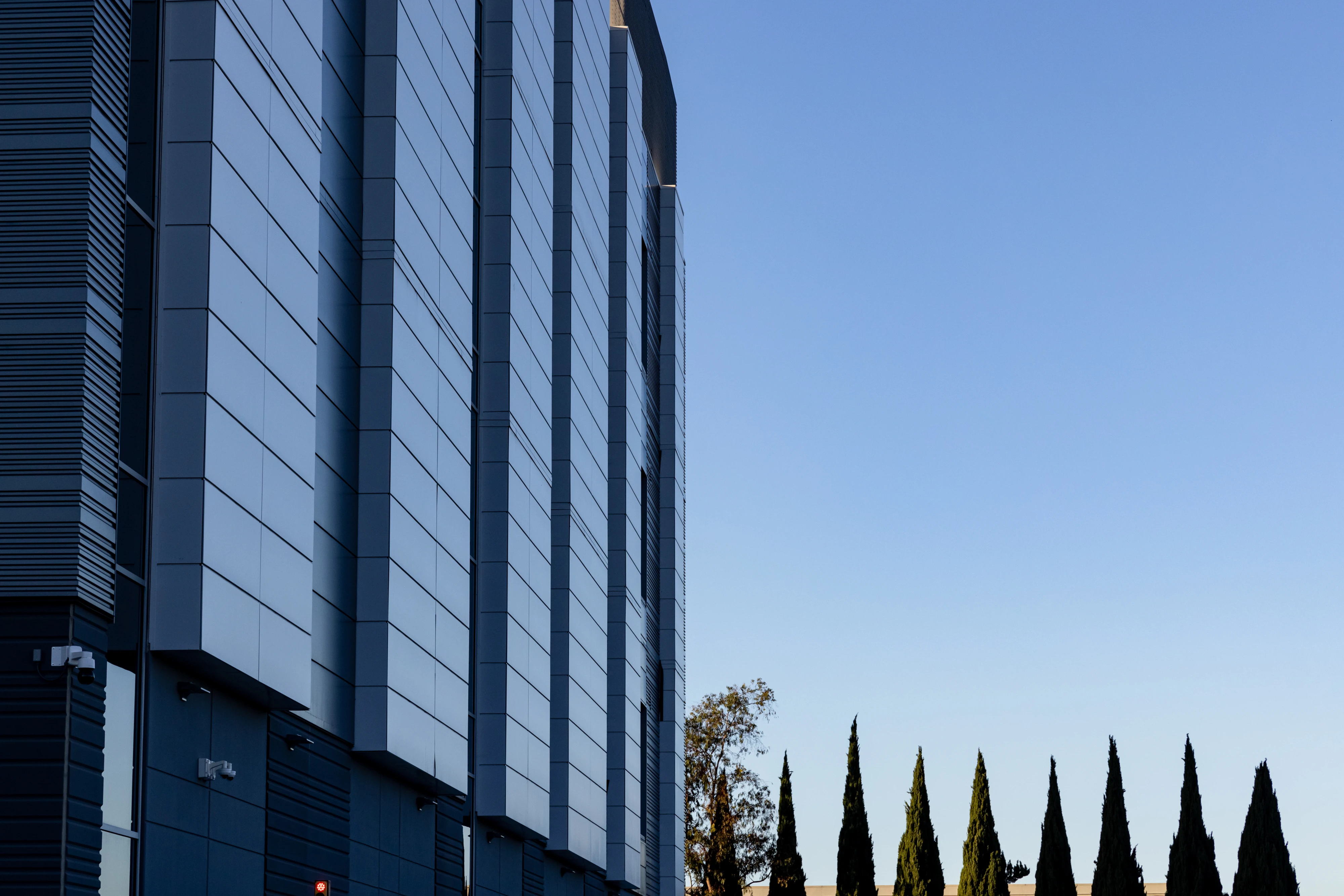
1. Data center developers are prioritizing ‘speed to power’ while grids are struggling to keep up with the rising demand. BNEF expects power demand from data centers to more than double to reach 106 gigawatts by 2035. Developers are increasingly turning to behind-the-meter energy procurement models, restarting old power plants, and signing nuclear power agreements to guarantee access to power, participants at the BNEF Summit noted. Access to the power grid is still the long-term goal of data center developers, but both long grid connection wait times and gas-turbine supply chain constraints are forcing data center operators to get more creative.
Innovative technologies can help make data centers more efficient, including medium-voltage solid-state transformers, superconducting power-delivery cables and advanced liquid cooling systems. Virtual power plants, which aggregate capacity from existing assets, were cited by some participants as a near-term lever for meeting demand, but market rules and policy lag were cited as major barriers to scaling this technology.
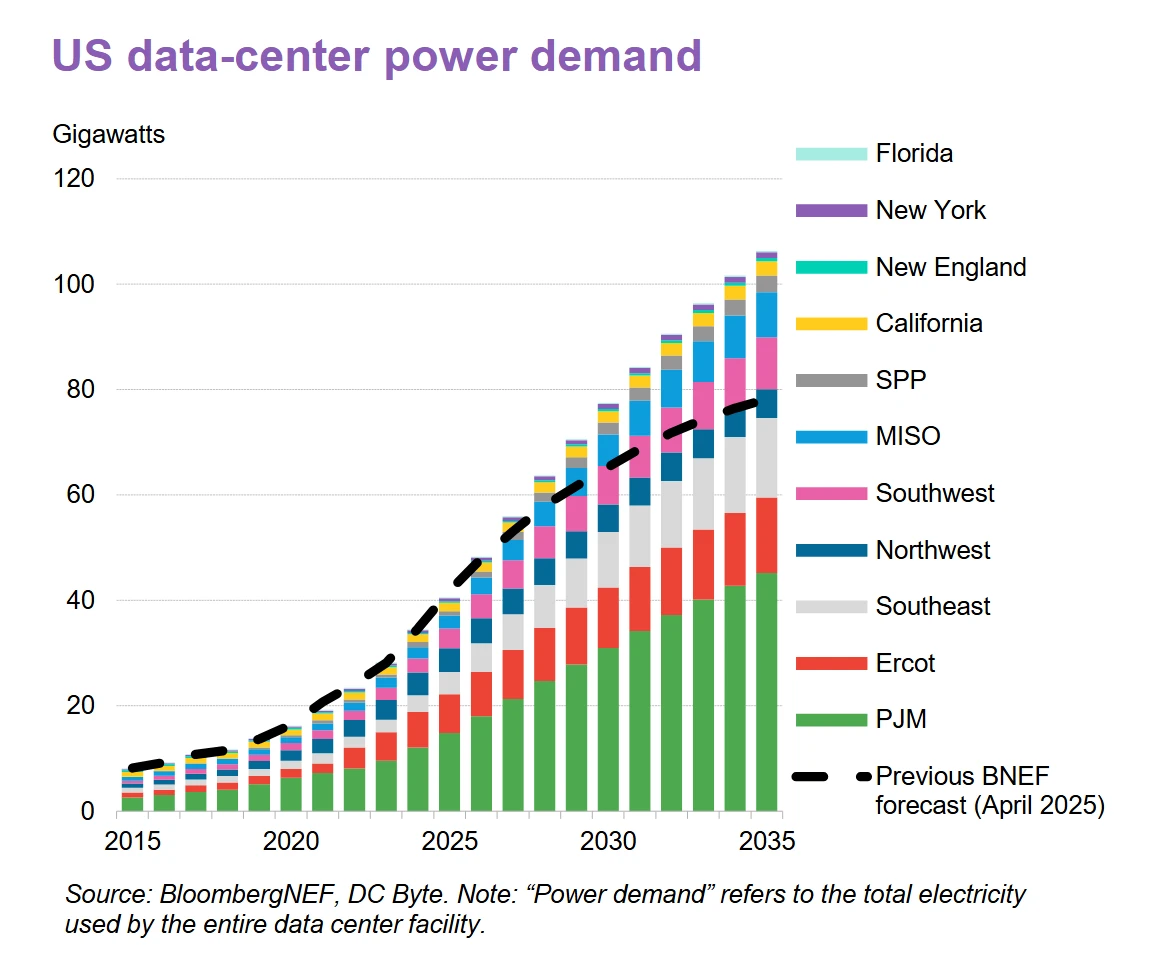
The scale and speed of AI-driven load growth is forcing policymakers to confront how data centers pay for power and grid upgrades. Jennifer Granholm, former US Secretary of Energy, suggested that states require data centers to act as flexible assets, pay fairly for their own infrastructure, and bring their own generation without socializing those costs across other ratepayers.
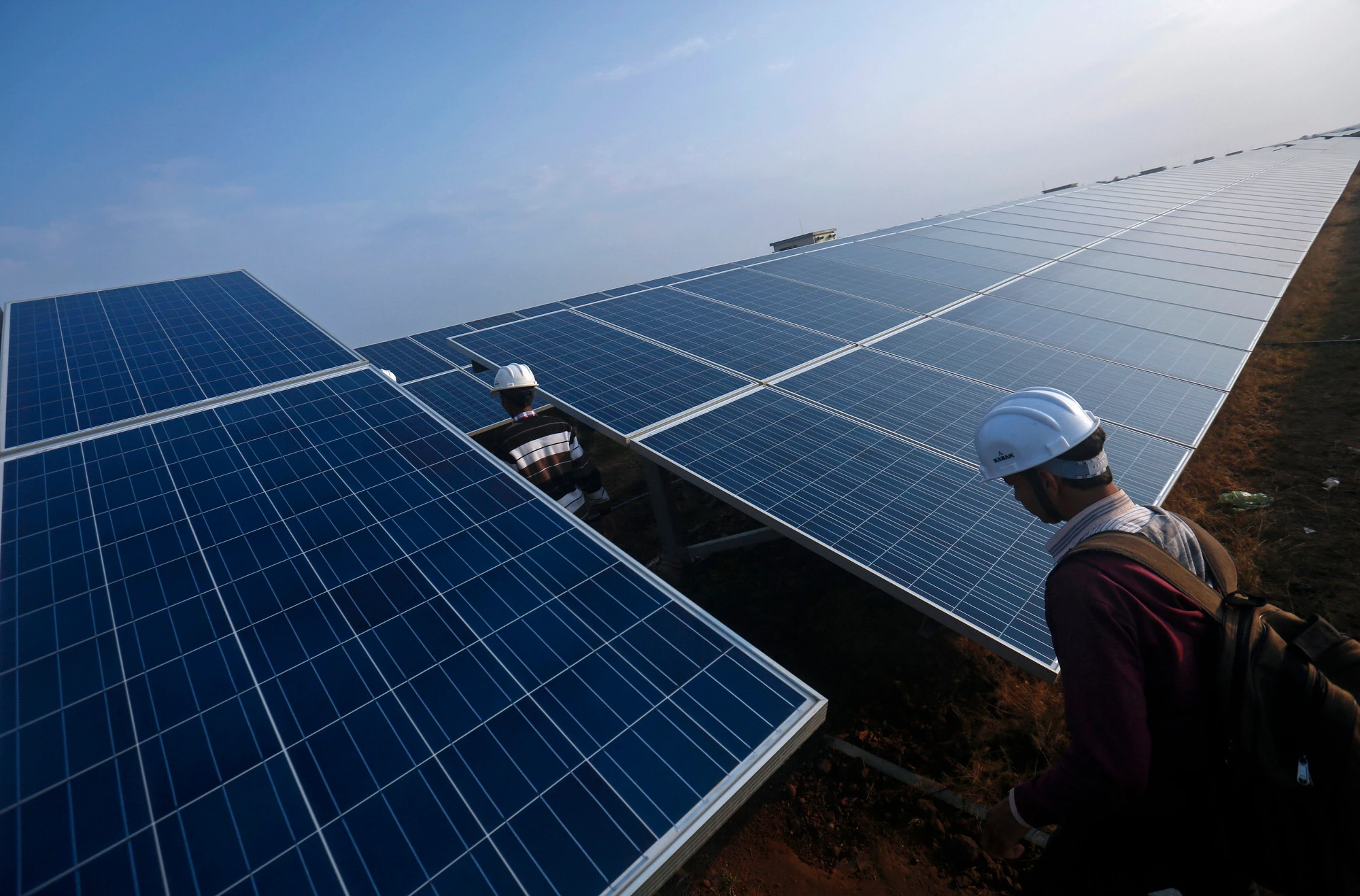
2. Market economics still favor renewables and storage, Granholm pointed out, despite the Trump administration rolling back key subsidies. Solar and wind remain the most competitive sources of new power generation, according to BNEF’s latest levelized cost updates. By 2035, costs could drop 30% for solar, 25% for battery storage, 23% for onshore wind and 20% for offshore wind. Granholm also added that investment in nuclear, geothermal, long-duration energy storage, hydro-electric power and carbon management remains strong.
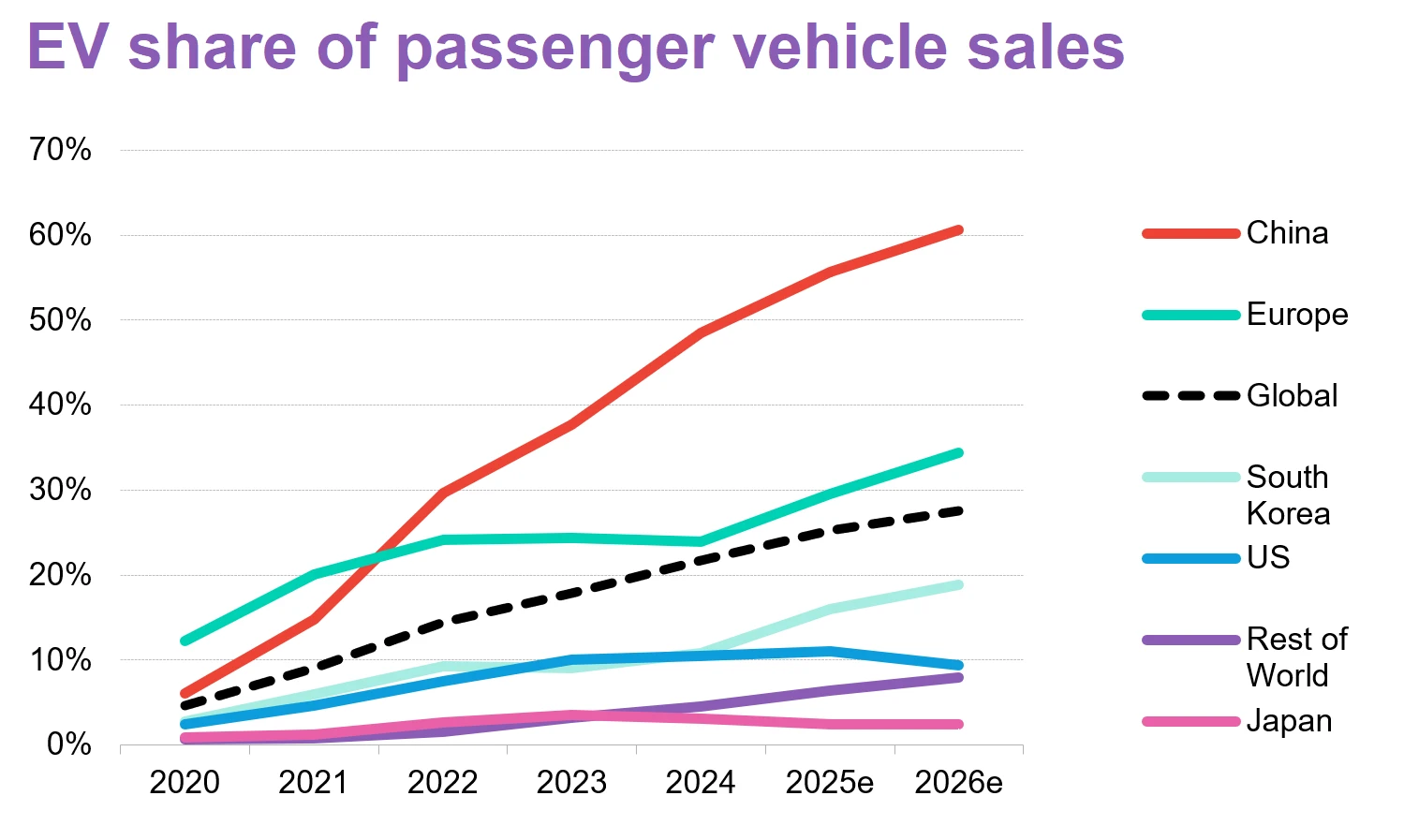
3. The EV transition is entering a ‘messy middle’ phase, where policy shifts and questions around EV affordability are reshaping the market. In the US, policy support for EVs is being dismantled, prompting automakers to reassess near-term EV plans in anticipation of lower consumer demand.
BNEF expects passenger EV sales in the US to drop 15% in 2026, compared to the previous year. However, many Summit participants remained optimistic about the future of the US EV market.
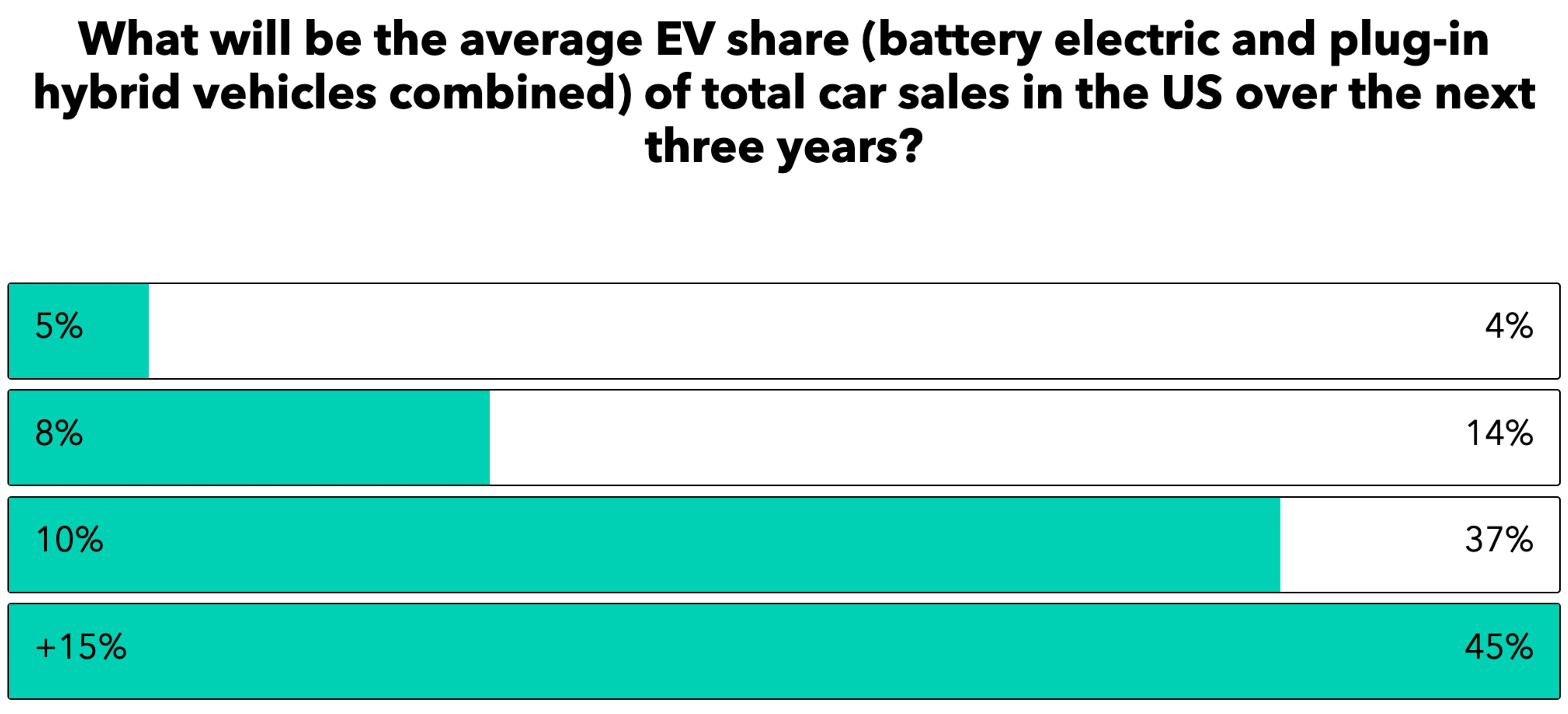
Live poll at the BNEF Summit (86 responses)
Lauren Sanchez, Chair of the California Air Resources Board, said that California – which accounts for a quarter of national EV sales – maintains a strong and committed market for electric vehicles. She laid out California’s game plan for EVs under Trump 2.0, from rolling out an additional $200 million in EV rebates to defending its zero-emission vehicle, or ZEV, mandate in court.
Participants noted that several technological wildcards could help accelerate the transition to EVs. From solid-state batteries and ultra-fast charging to extended-range EVs that can provide a bridge into harder-to-electrify segments, such as pickup trucks and large SUVs.
4. The AI revolution is reaching the auto sector through robotaxis on the road. Those vehicles are primarily electric today with EVs offering a ready onboard battery to run the AI chips and sensors. This dynamic is expected to strengthen further as robotaxis typically log more miles and thus benefit from EVs’ lower operating costs, while zero tailpipe emissions make EVs particularly suited to run in the dense urban environments.
To dive deeper into these themes and more, watch a selection of videos from the BNEF Summit San Francisco here. The ninth annual Summit brought together over 800 stakeholders, including energy, transport and technology companies as well as investors, financiers and policymakers. The next BNEF Summits will take place in Beijing on March 12, New York on April 21-22 and Amsterdam on June 8.