PRESS RELEASE
BloombergNEF Turkey Transition Factbook 2026: Clean Power Growth Positions Turkey for the Next Phase of Its Energy Transition
- BloombergNEF’s (BNEF’s) report indicates that Turkey is on track to hit the country’s 120-gigawatt renewable energy goal by 2035, but $1 trillion of investment is needed to reach net zero power by 2050.
London, June 24, 2026 – Turkey is entering a pivotal decade for its energy transition, according to BloombergNEF’s Turkey Transition Factbook 2026 published today. Commissioned by Bloomberg Philanthropies as Turkey prepares to host COP31, the report highlights the country’s emergence as one of the fastest-growing emerging markets for renewable energy, combining strong clean energy deployment with a large industrial base. Turkey also benefits from geography as a connector of trade between Europe, Asia and the Middle East.
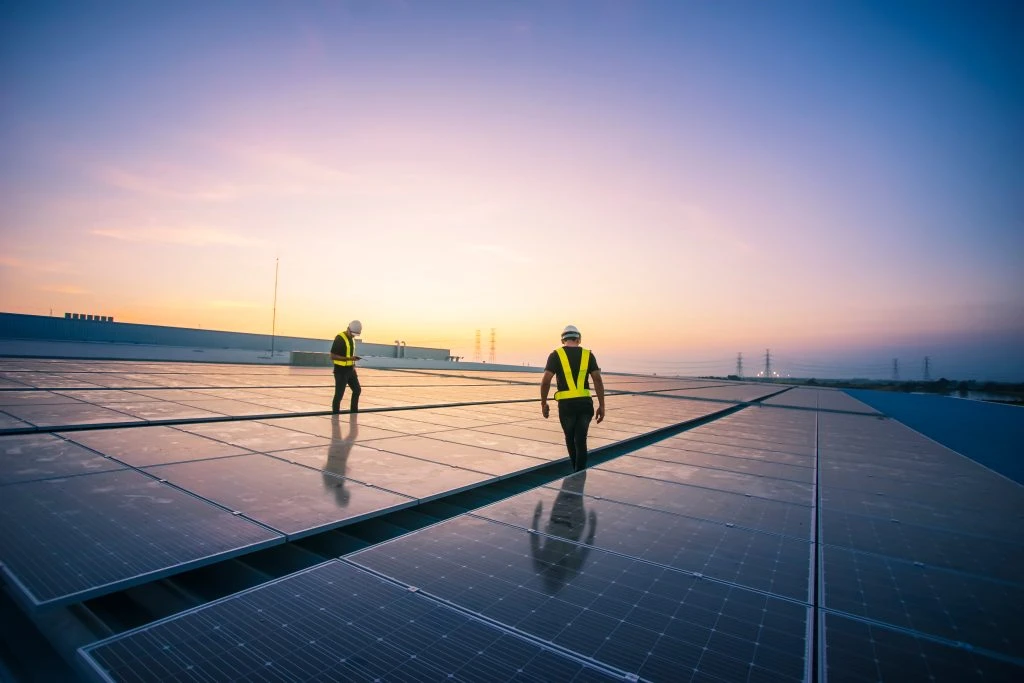
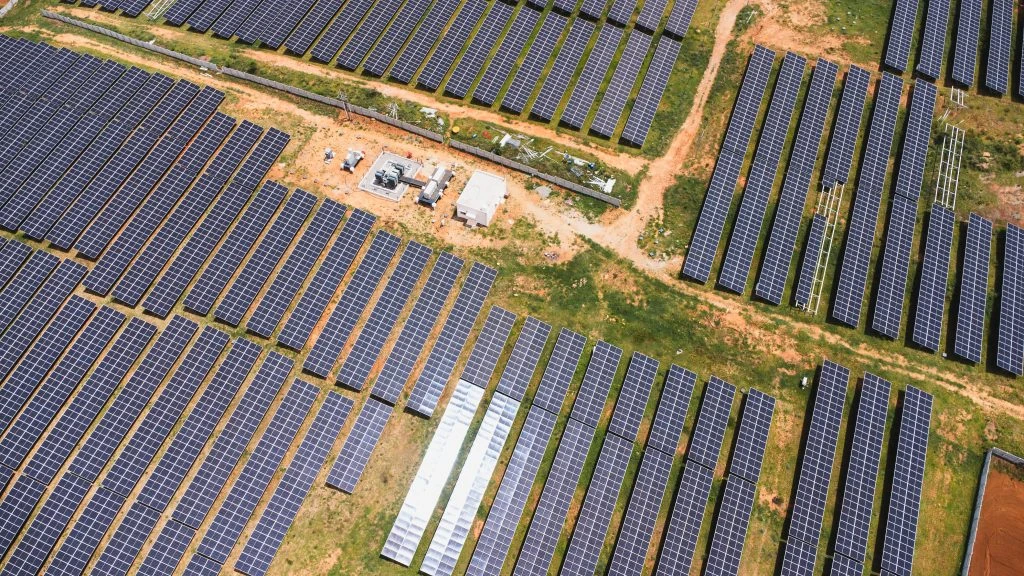
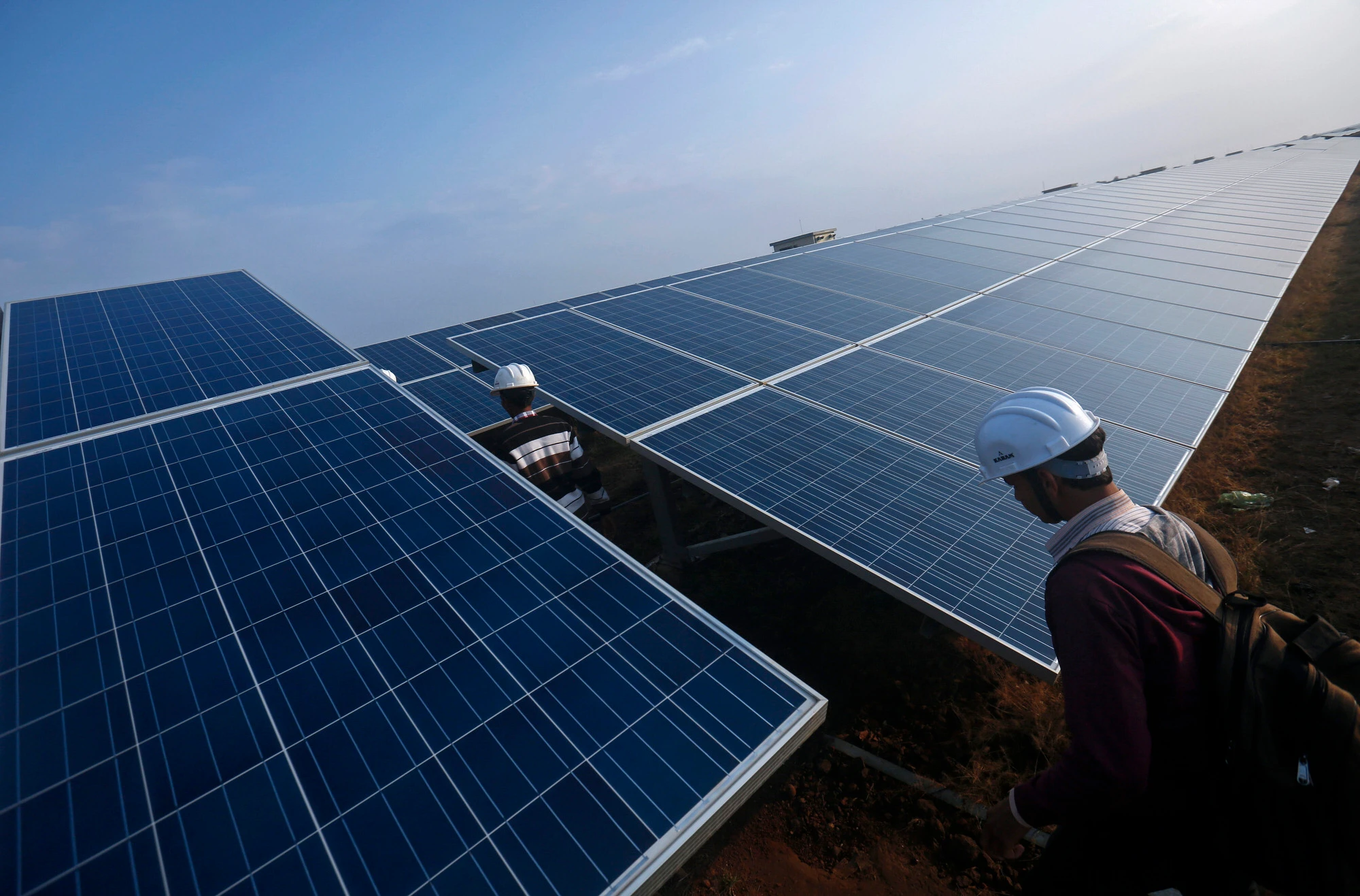
Clean power is becoming the backbone of Turkey’s energy system, according to BNEF. The country was a leading market for solar and wind installations globally in 2025 and has 34.2 gigawatts (GW) of solar and 15.8GW of wind installed to date. BNEF expects Turkey to achieve its target of 120GW of wind and solar capacity by 2035, positioning renewables to play an increasingly central role in meeting rising electricity demand and reducing dependence on imported fossil fuels. Turkey’s renewable energy buildout has accelerated rapidly over the past decade, driven by supportive policies, declining technology costs and growing electricity demand.
However, reaching net-zero emissions will require a substantially faster pace of deployment into clean power, grids, industry and low-carbon technologies. BNEF estimates that Turkey would need nearly four times its 2035 wind and solar target and close to $1 trillion of cumulative power-sector investment by 2050 to align with a net-zero pathway.
“Turkey’s energy transition story is no longer just about adding more renewables, it is about using clean energy to strengthen energy security, attract investment and build industrial competitiveness,” said Sofia Maia, head of Country Transition and Middle East & Africa research at BloombergNEF. “As host of COP31, Turkey has a chance to show how emerging markets can turn decarbonization into a growth strategy”.
The Turkey Transition Factbook 2026 examines the country’s progress across power, transport, industry and sustainable finance, and assesses the scale of investment required to meet its long-term climate ambitions while strengthening energy security and industrial competitiveness.
Other key findings from the report include:
- Grid investment and energy storage are becoming critical. As renewable penetration rises, expanding and modernizing the electricity network will be essential. Turkey plans to invest approximately $30 billion in transmission infrastructure between 2026 and 2035, requiring annual investment levels to increase almost fivefold from current levels.
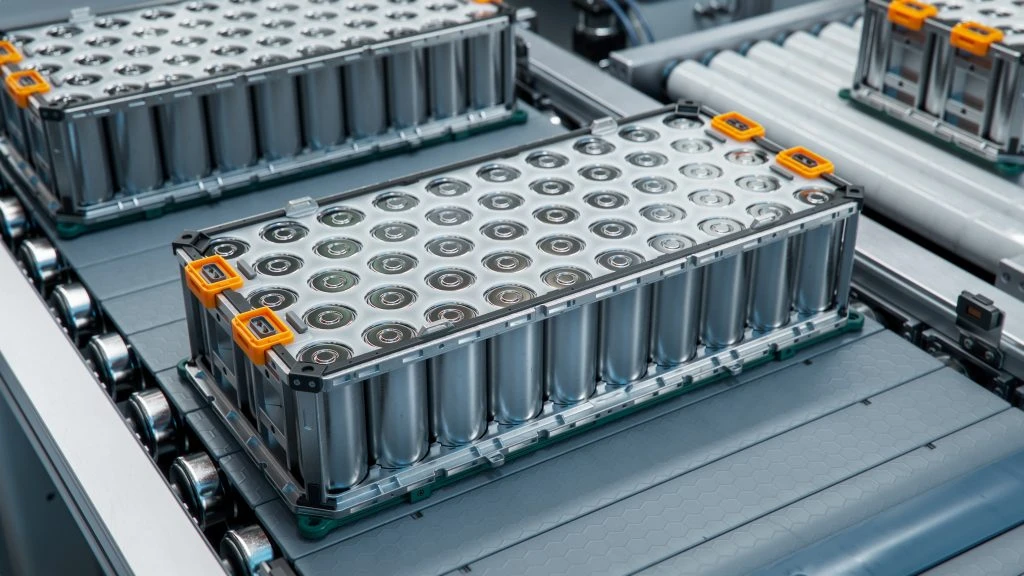
- Battery storage is also expected to become an increasingly important part of the power system. BloombergNEF forecasts battery storage capacity to grow from almost zero today to 8GW/24GWh by 2035, improving grid flexibility, supporting renewable integration and reducing curtailment of wind and solar generation.
- Turkey is increasingly leveraging industrial policy to expand its role in global clean-technology supply chains. Manufacturing subsidies, consumer incentives and local-content requirements are supporting the development of domestic clean-energy industries.
- Turkey’s industrial sector faces growing pressure to reduce emissions as international carbon regulations become more stringent. The country is among the markets most exposed to the European Union’s Carbon Border Adjustment Mechanism (CBAM), which is expected to influence trade dynamics for carbon-intensive exports. In response, Turkey is accelerating heavy-industry decarbonization, with a domestic carbon market launching in 2026 expected to support emissions cuts and export competitiveness.
- Despite strong momentum across multiple sectors, financing continues to be one of the most significant barriers to accelerating Turkey’s transition. Currency volatility and elevated inflation have complicated investment decisions and increased financing costs for clean-energy projects.
- The country’s electric vehicle market has expanded rapidly, making Turkey the fourth-largest EV market in Europe, the Middle East and Africa in 2025. Growing manufacturing investment, tax incentives and purchase subsidies are helping improve affordability and support broader EV adoption.
A full version of the Factbook can be found at this link.
Media Contact
Oktavia Catsaros
BloombergNEF
ocatsaros@bloomberg.net
About BloombergNEF
BloombergNEF (BNEF) is a strategic research provider covering global commodity markets and the disruptive technologies driving the transition to a low-carbon economy. Our expert coverage assesses pathways for the power, transport, industry, buildings and agriculture sectors to adapt to the energy transition. We help commodity trading, corporate strategy, finance and policy professionals navigate change and generate opportunities.
About Bloomberg
Bloomberg is a global leader in business and financial information, delivering trusted data, news, and insights that bring transparency, efficiency, and fairness to markets. The company helps connect influential communities across the global financial ecosystem via reliable technology solutions that enable our customers to make more informed decisions and foster better collaboration. For more information, visit Bloomberg.com/company or request a demo.
Related Content