India’s size, rapid economic growth and rising energy demand make it central to global efforts to shift toward lower-carbon energy sources. The country also has a major energy-security imperative to reduce its reliance on imported oil and crude products. These dual goals – expanding clean energy and cutting fossil fuel imports – are increasingly aligned and economically viable.
The India Transition Factbook 2026, produced by BloombergNEF and commissioned by Bloomberg Philanthropies, profiles India’s progress in expanding renewable energy deployment, increasing electric vehicle adoption, commissioning clean ammonia plants and taking other steps to decarbonize its economy. It also tracks the country’s progress on decarbonization while examining new, rapidly growing sources of energy demand, including data centers.
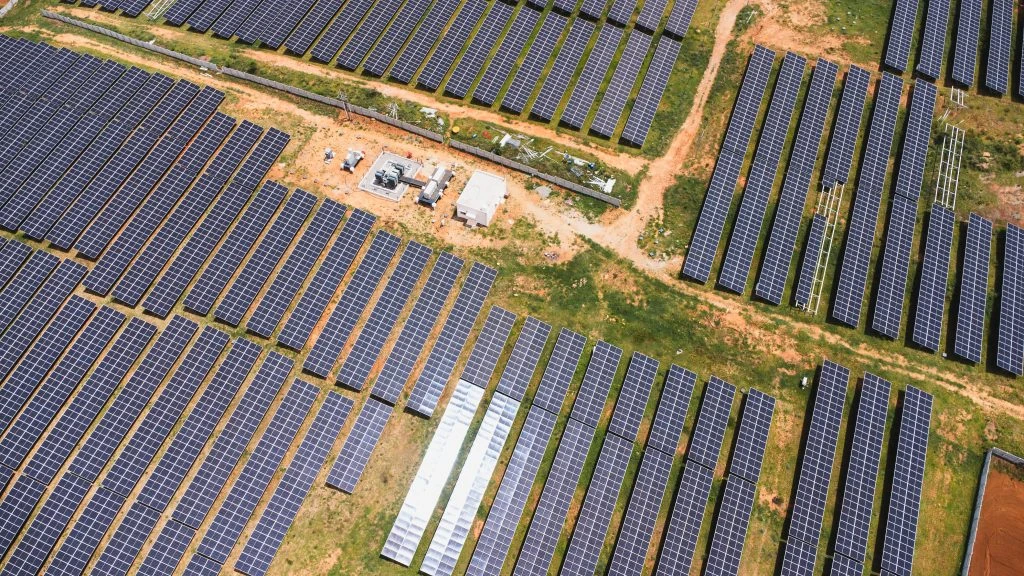
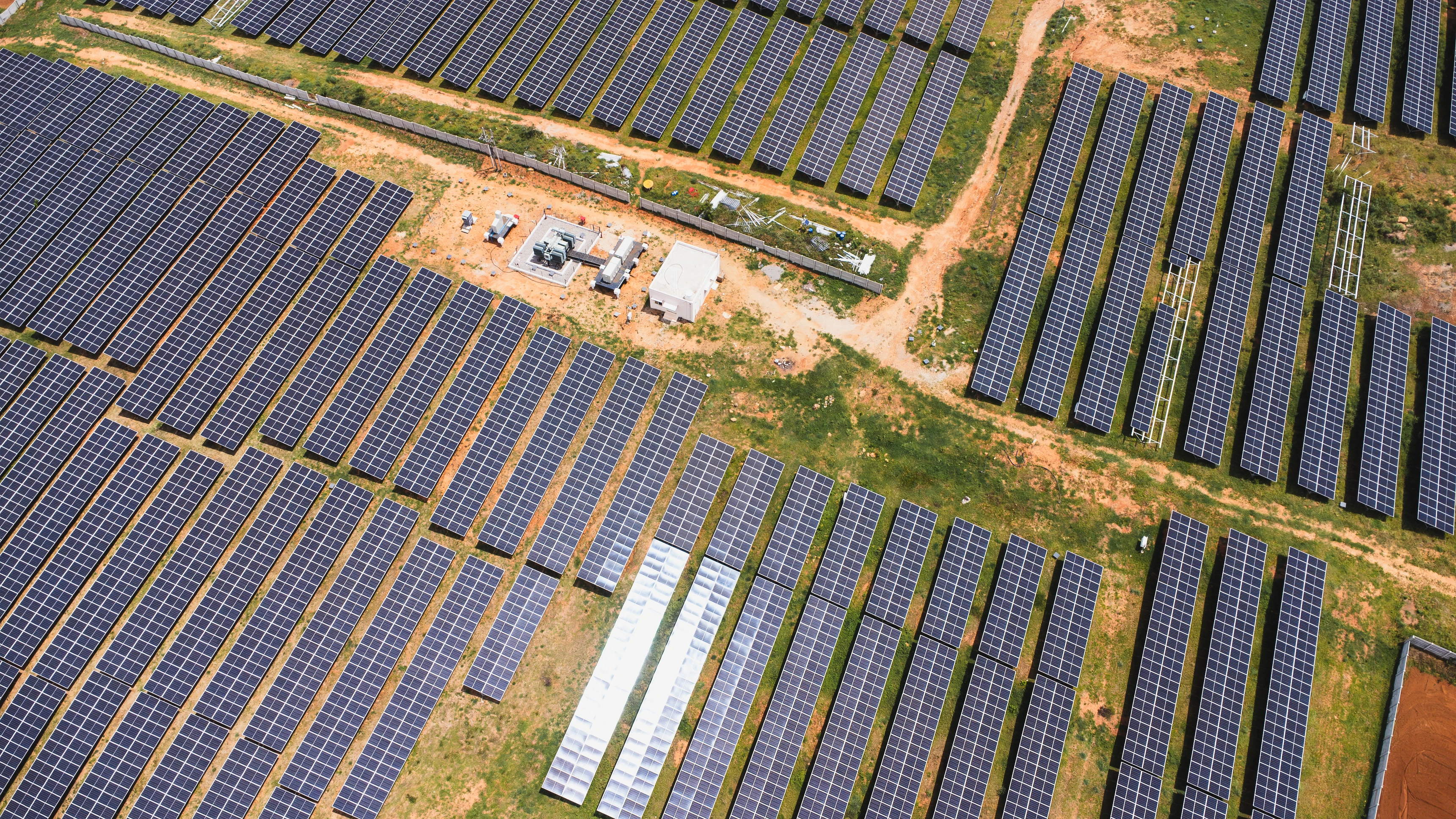
- India is a global leader in clean power adoption: India was the second-largest market for annual solar and wind capacity additions in 2025, behind only China. India is poised to remain the second-largest solar market for the foreseeable future, supported by rising power demand and lower equipment prices.
- India is the fifth-largest market for energy-transition investment: Investors committed $72 billion for India’s energy transition in 2025, equivalent to about 1.7% of its gross domestic product (GDP). India’s wind and solar sectors alone will have capital requirements of $123 billion to $163 billion in real 2025 dollars through 2030.
- Renewables are starting to cut into coal’s share of overall power generation: Non-fossil fuel technologies have accounted for 80% of new power generation capacity added to India’s grid over the last decade. These sources also supplied one-third of the country’s electricity demand in the first seven months of 2026, though coal still provided the majority of power.
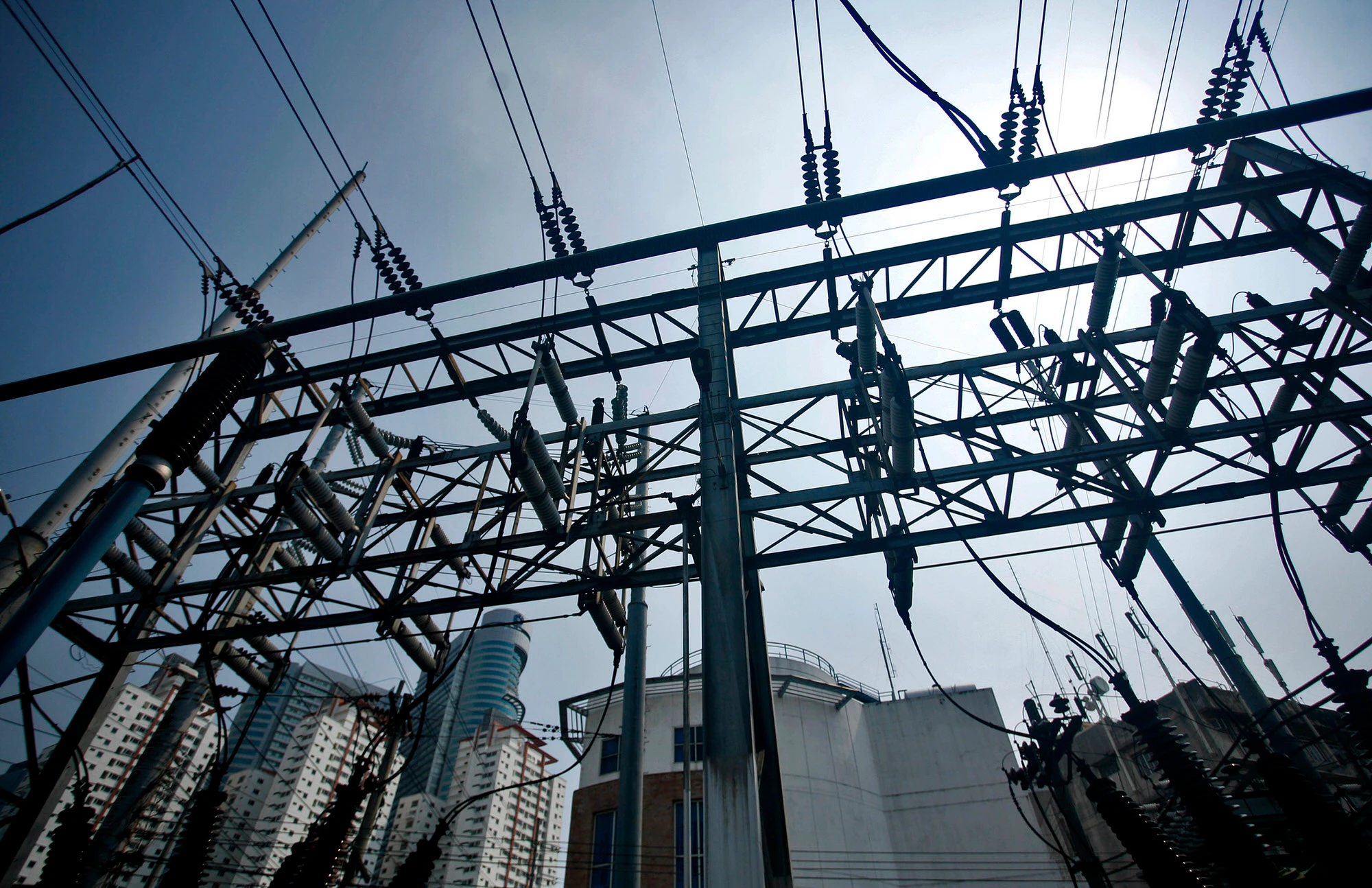
- India is the world’s fourth-largest market for grid investment: The country plans to build enough transmission infrastructure by the first quarter of 2032 to connect 336 gigawatts of renewable capacity. The planned additions are equivalent to roughly twice the size of the UK’s existing grid capacity.
- India has achieved a key clean power capacity goal early: The share of non-fossil fuel technologies installed on India’s power grid as measured in capacity terms crossed 50% in 2025 – five years ahead of the target set in India’s Nationally Determined Contribution in 2022. BNEF projects the share will exceed 60% in 2028, seven years ahead of the revised NDC.
- Meeting India’s 2035 emissions-intensity goal is achievable: India’s revised NDC targets a 47% reduction in the emissions intensity of GDP by 2035 from 2005 levels. That can be achieved under BNEF’s base-case scenario for how the country’s energy sector evolves.
- The transition to lower-carbon energy sources can strengthen India’s energy security by reducing its reliance on imports: BNEF modeling of an economics-led shift even without the introduction of new supportive policies shows that India’s energy imports could fall to 3.1% of GDP in 2035, from 5.3% in 2025, before declining further to 1.5% by mid-century.
- India’s hydrogen ambitions are bearing fruit: Indian firms signed binding contracts in the first four months of 2026 to supply 0.3 million metric tons of clean hydrogen annually, including volumes exported as green ammonia, more than companies in any other country. That lifted India to third globally for cumulative contracted volumes. The country’s growth has been supported by its ability to produce some of the world’s cheapest green ammonia, helped by low-cost clean power, generous subsidies and competitive auctions. Low green ammonia prices have attracted overseas buyers and Indian firms have signed three major binding offtake agreements to export more than 1 million metric tons annually.
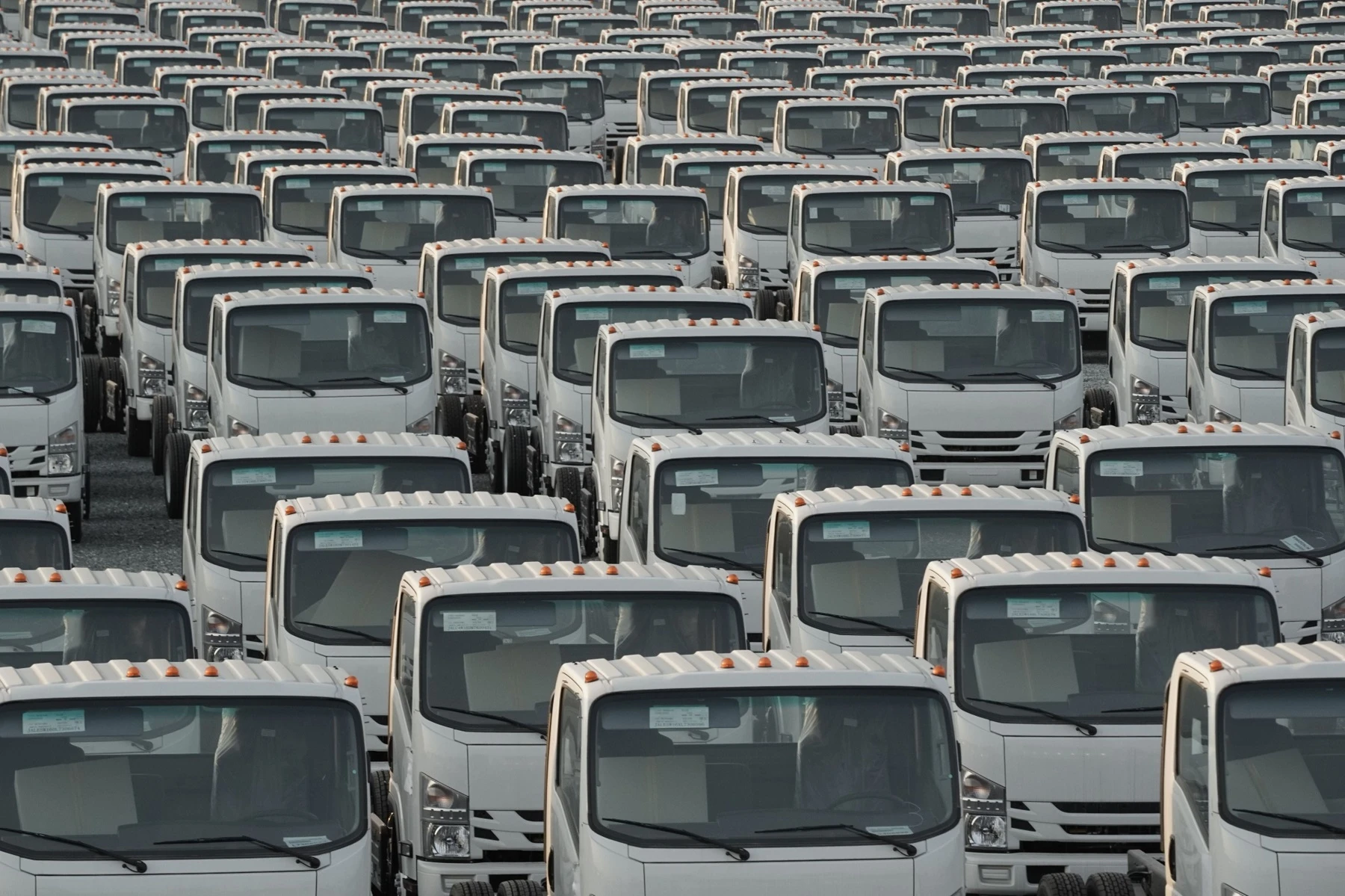
- Electric vehicle sales are up but India is far from hitting most of its 2030 targets: Lower total cost of ownership, greater model availability and a sustained policy push are helping boost Indian EV sales. The government has set targets for EVs to account for 80% of two- and three-wheeler sales, 70% of commercial vehicles and 30% of private cars by 2030. However, BNEF modeling suggests India will fall short of most of these goals, with three-wheelers the exception. Higher fuel costs stemming from the conflict in the Persian Gulf could improve the economics of EVs, but further measures will be needed if the country is to hit all of its 2030 targets.
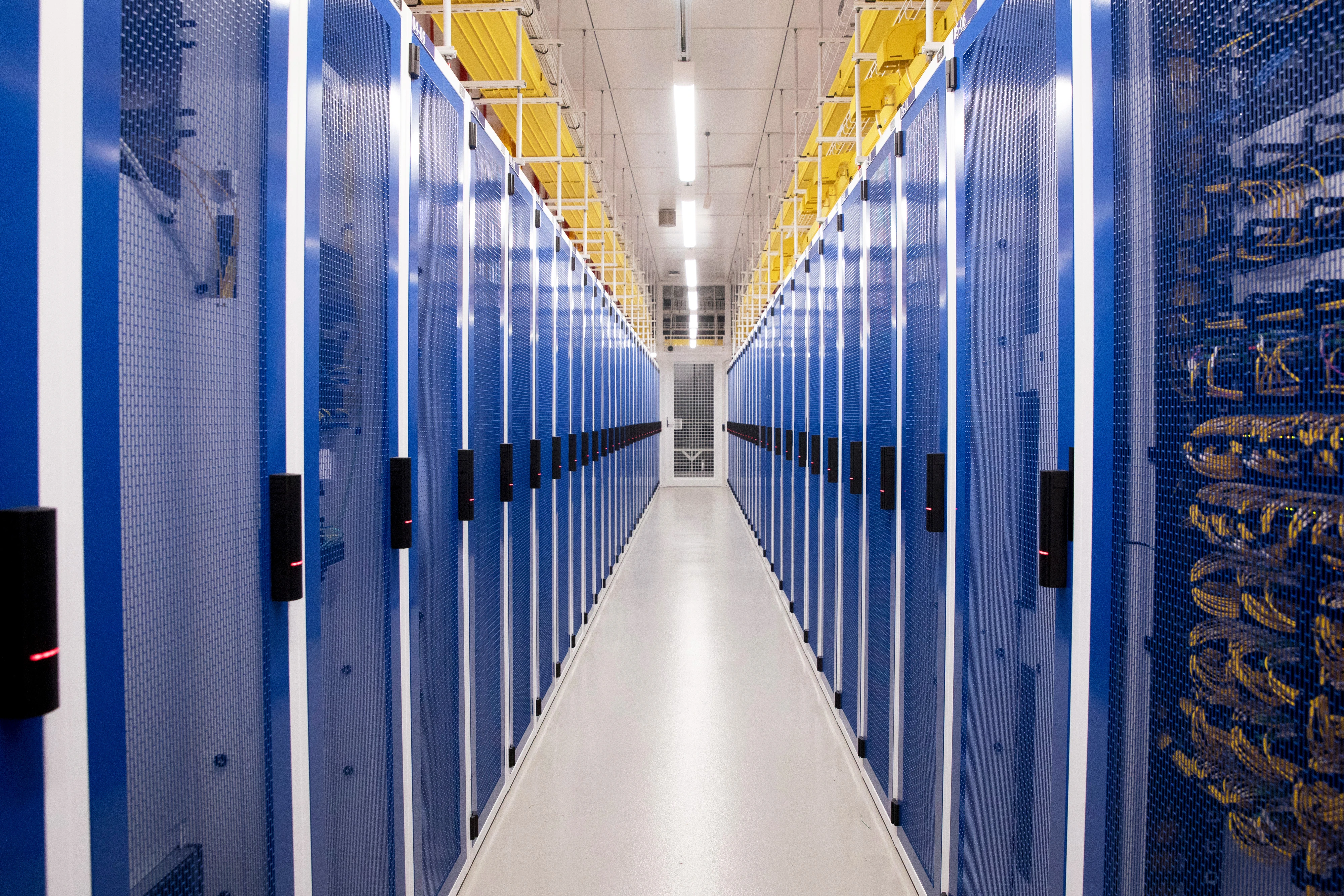
- Flexible power procurement can support greener data center growth: Data center power demand could rise from 11 terawatt-hours in 2025 to 636 terawatt-hours by 2050, equivalent to about 11% of India’s total electricity consumption by then. Much of this growth would initially be served by a coal-heavy grid, with coal currently supplying about 68% of India’s electricity. This leaves data centers reliant on standard grid supply exposed to carbon-intensive electricity. Data centers can reduce this exposure by sourcing renewable power through third-party contracts, captive and group-captive projects, onsite solar and power exchanges.